
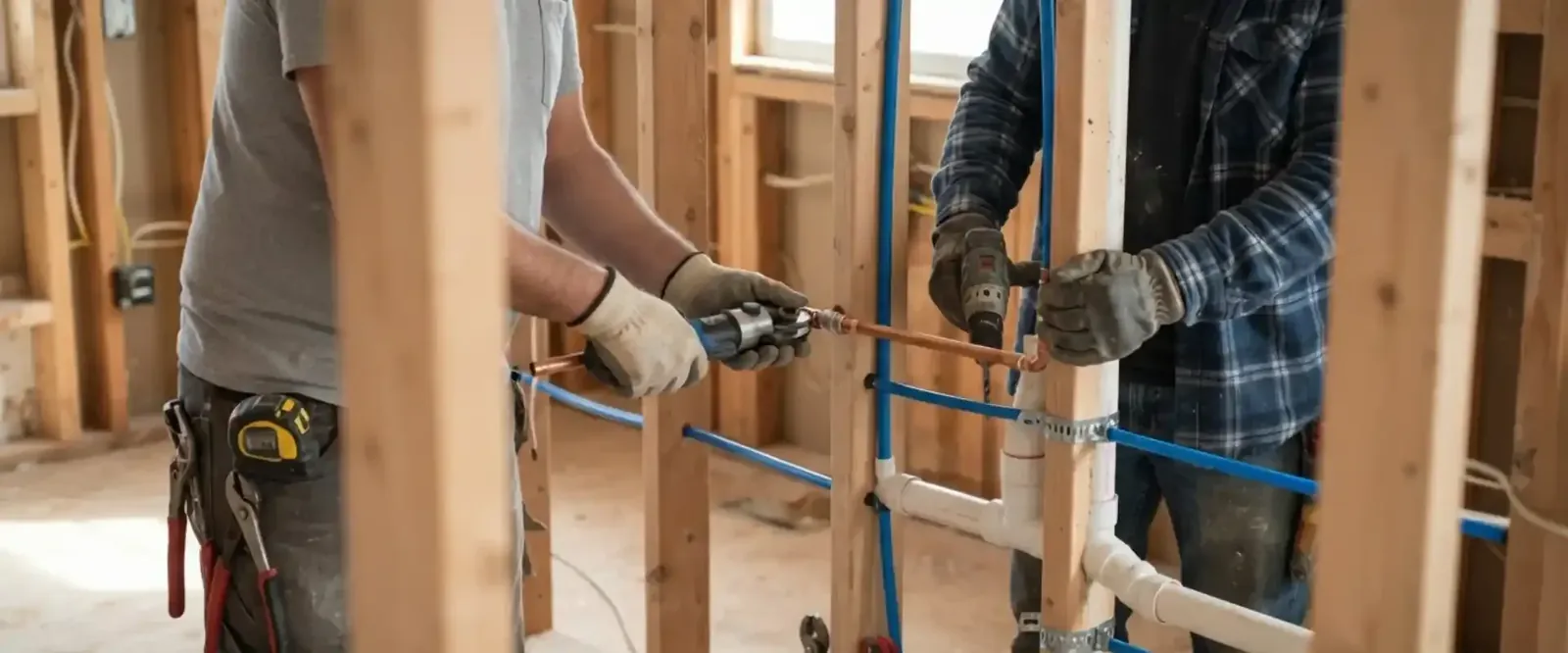
A drain works like a bottle. Pour water out of a bottle with the top sealed, and it glugs. Leave the top open, and it pours smoothly. A plumbing vent is that open top. It lets air into the drain pipe so water flows freely and so the trap seal under each fixture holds.
In a bathroom, the toilet, sink and tub or shower all drain into a branch that connects to a vent stack leading up through the roof. If the vent is blocked, undersized or connected wrongly, you will hear the problems before you see them.
Signs of a venting problem
Gurgling in a drain when another fixture empties, slow drains that have been cleared and a sewer smell all suggest a venting issue. A toilet that makes a sucking sound or a bowl whose water level drops between flushes also points to it. The trap is being siphoned because air is pulled in through the water seal instead of the vent.
Not every slow drain is a vent problem. A clog in the line causes similar symptoms. A plumber can tell the difference by testing the vent with a camera or water test.
The basic parts
A trap is the curved section under each fixture that holds water and blocks sewer gas. A branch drain connects the trap to the main stack. A vent pipe rises from the branch, connects to the stack above the highest fixture or runs separately through the roof. A roof flashing keeps water out where the vent exits.
Code sets the maximum distance a trap can be from its vent, the minimum vent pipe size and how high the connection must sit above the fixture. These limits change with the pipe diameter, so you cannot guess them.
Common ways to vent a bathroom
A dry vent runs straight up from the branch to the roof. A wet vent uses a drain pipe from one fixture to also act as the vent for another, which code allows only in certain arrangements. A common vent serves two fixtures on opposite sides of a wall. A re-vent connects back into the main vent above the fixture.
Air admittance valves are one-way valves that let air in but block gas out. Their acceptance varies between jurisdictions, so ask the building department before you buy one.
Stuck on this job?
Call and tell us about your plumbing issue.
Remodel pitfalls
Moving a bathroom or adding a second sink often means extending the vent. Cutting into a wall to reach the existing vent, keeping the right slope on drains and sizing the pipe correctly are details where mistakes cost money later. A blocked roof vent from a bird nest or debris is another surprising cause of gurgling.
Never cap a vent that seems unused. It may serve another fixture.
When to call a plumber
A new bathroom or a rerouted drain needs a permit and an inspection in most places. If you suspect a blocked vent, a plumber can clear it from the roof or the attic and test the system. See our plumbing installation page for new bathroom work, and our drain cleaning page if a clog is the cause.
A quick check you can do yourself
Run the shower and watch the other drains. If the sink or toilet gurgles while the tub empties, the vent is struggling. If you can safely reach the roof vent, look for a leaf pile, a bird nest or a frost-free cap that has been crushed. Never climb onto the roof without proper safety gear. If you cannot check it safely, a plumber can run water through the vent or push a camera up it from the attic.
Why sewer gas smells matter
A dry trap is the most common cause of a sewer smell, especially in a guest bath that is rarely used. Run water in the sink and tub for a minute once a week to refill the traps. If the smell comes back right away, a venting problem or a cracked drain is more likely, and it should be inspected.
Permits for bathroom plumbing in Chino
The City of Chino Building Division at 13220 Central Avenue, Chino, CA 91710, handles permits for bathroom remodels that move plumbing. Its phone is (909) 334-3251, and it can tell you how the current plumbing code applies to venting at your address, and which inspections will be needed.
If you plan a bathroom remodel in a Chino Hills home from the 1980s or 1990s, your plumber will trace the existing vent stack before moving any fixture. See our page for emergency plumber Chino Hills for service coverage.
Venting rules come from the California Plumbing Code, which is based on the Uniform Plumbing Code (UPC) published by IAPMO.
Questions about this job
Air is being pulled through the trap because the vent is blocked, missing or too far away. A partial clog in the drain can cause the same sound.
Yes. Leaves, nests and debris can restrict it, which causes slow drains and gurgles.
Each trap needs venting, but code allows several arrangements, including wet and common vents.
It depends on the local jurisdiction. Ask the city building department before you install one.