
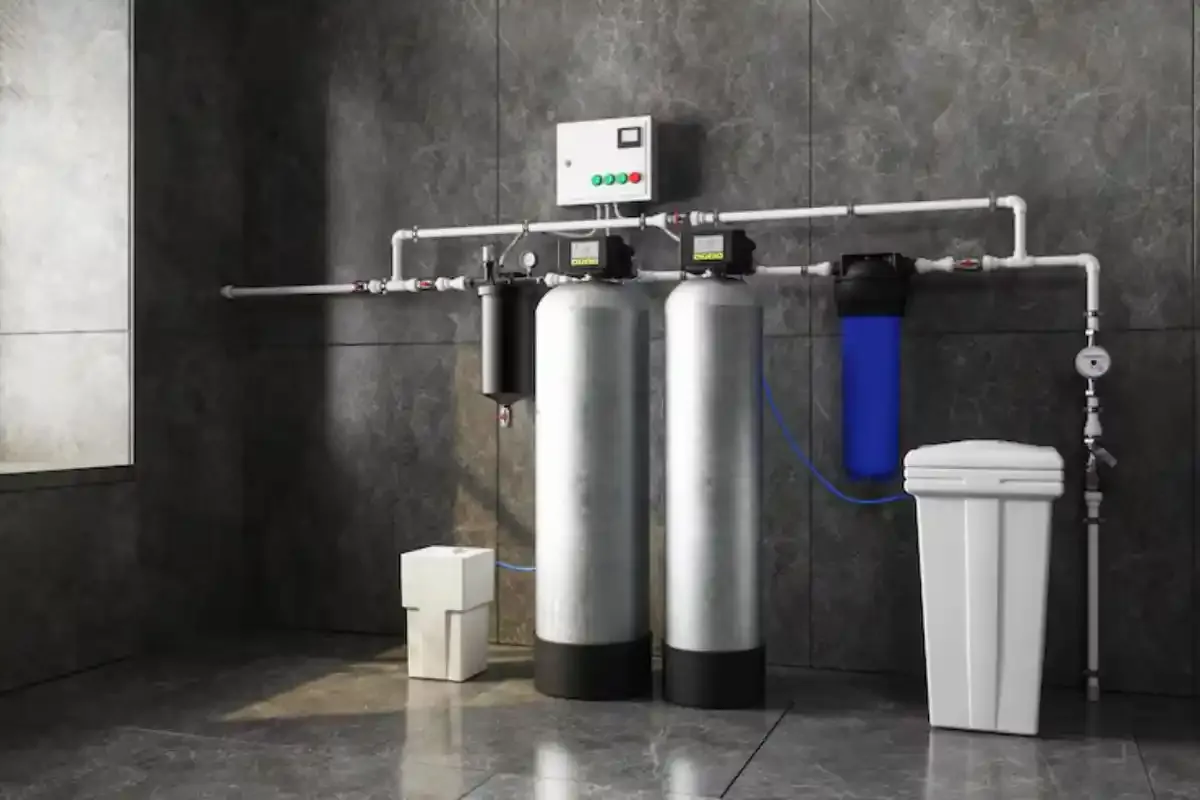
Water softener and filtration service in Chino, CA is about treating the water your home receives. A softener removes the minerals that cause scale, and a filter removes sediment, chlorine taste or specific contaminants. Which one you need depends on your water, not on a sales pitch, so the first step is knowing what is in it.
The City of Chino Hills publishes an annual Consumer Confidence Report on its water, and every California water provider issues one. Ask your provider for its report, or buy a home test kit. The numbers tell you whether you have a hardness problem, a taste problem or neither.
Start with your water report
Your water quality report lists sources, hardness and any detected contaminants. Chino Hills says its water comes from groundwater, including wells shared with the Monte Vista Water District and the Chino Basin Desalter Authority, and imported surface water from the Metropolitan Water District. Your provider may differ by address. Check which one serves yours, then read the hardness figure in the report.
If a hardness figure is not listed, a strip test or lab test of your tap gives a rough number. We do not quote a single hardness for all of Chino, since it varies by supply and location.
What a softener does and does not do
A softener swaps calcium and magnesium for sodium or potassium. That prevents scale on fixtures and in the water heater and helps soap lather. It does not remove chlorine or contaminants and it is not a drinking water purifier. Softeners need salt, periodic cleaning of the brine tank and an electrical outlet and drain nearby.
Filters and reverse osmosis
A sediment filter removes grit. A carbon filter reduces chlorine taste and odor. A reverse osmosis system under the sink treats drinking water with a membrane and a storage tank. Our filtration system guide explains how the stages fit together. The right setup is built from your test results.
| Concern | Usual treatment | Note |
|---|---|---|
| Scale on fixtures | Softener | Confirm hardness first |
| Chlorine taste | Carbon filter | Replace on schedule |
| Grit in water | Sediment filter | Check the service line too |
| Drinking water concern | RO at the sink | Test for the specific contaminant |
| Tankless scale | Softener plus yearly flush | Both help |
Want your water tested?
Call and ask a plumber about testing and treatment.
Repairing an existing softener
Common softener problems are hard water returning, salt bridges, a stuck valve, a failing control head and resin that has worn out after many years. A plumber can test hardness before and after the unit and diagnose the cause. Replacing the control valve is often cheaper than a new system.
How treatment helps your plumbing
Scale shortens water heater life and clogs tankless heat exchangers. Reducing hardness protects them. See tankless service and water heater installation for related equipment.
Choosing between a softener and a filter
A softener removes hardness minerals. A filter removes particles, taste and odor. They do different jobs, and many homes benefit from one, the other or both. Start with what you want to change. If scale is building up on fixtures and in the water heater, a softener or scale control device fits. If the complaint is taste or sediment, a filter is the place to begin.
A softener needs a drain for its regeneration cycle and an outlet nearby, and those details decide where it can sit.
What water treatment pricing depends on
What moves the price
Water softener and filter questions
It varies by supplier and location, so check your provider's annual water quality report or test your tap.
Only if hardness is causing scale or soap issues. Test before you buy.
No. A carbon filter handles taste and odor.
Yes. Describe the symptoms when you call.
Yes. See the Chino Hills page.
A treatment system works best when the plumbing behind it is sound. If you have corroded pipe, discuss repiping before adding equipment.
Treatment devices that touch drinking water are certified to NSF/ANSI 44 for softeners and NSF/ANSI 42 or 53 for filters.